Certifications and Training

Light Sport

Light Sport training provides an accessible pathway into aviation for individuals who may be unable to obtain or wish to avoid an FAA medical certificate. Operating under a driver’s license in lieu of a medical, pilots focus on fundamental airmanship, situational awareness, and safe aircraft operation. While Light Sport privileges are more limited than those of a Private Pilot, many choose this path for its flexibility, reduced regulatory burden, and ability to enjoy flying without compromising safety or proficiency.

Private Pilot (PPL)

Private Pilot training builds the foundation of aviation proficiency. Students develop aircraft control, situational awareness, weather interpretation, navigation, and risk management. This stage emphasizes judgment and confidence, preparing pilots to safely operate aircraft independently and responsibly.

Instrument Rating

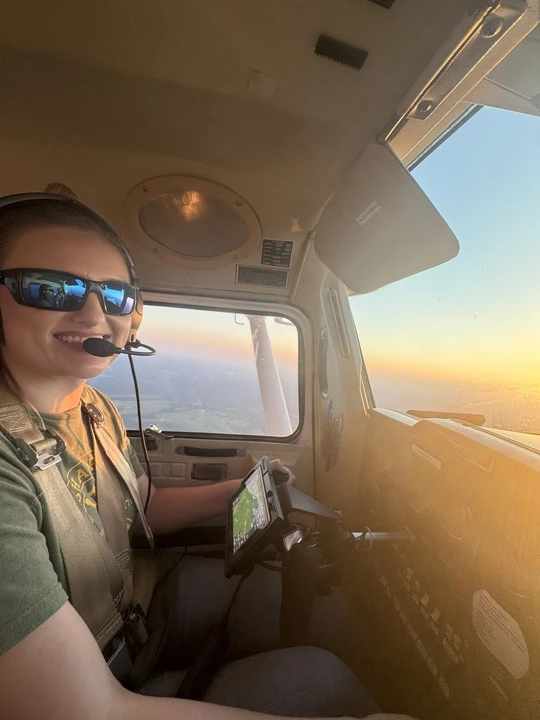
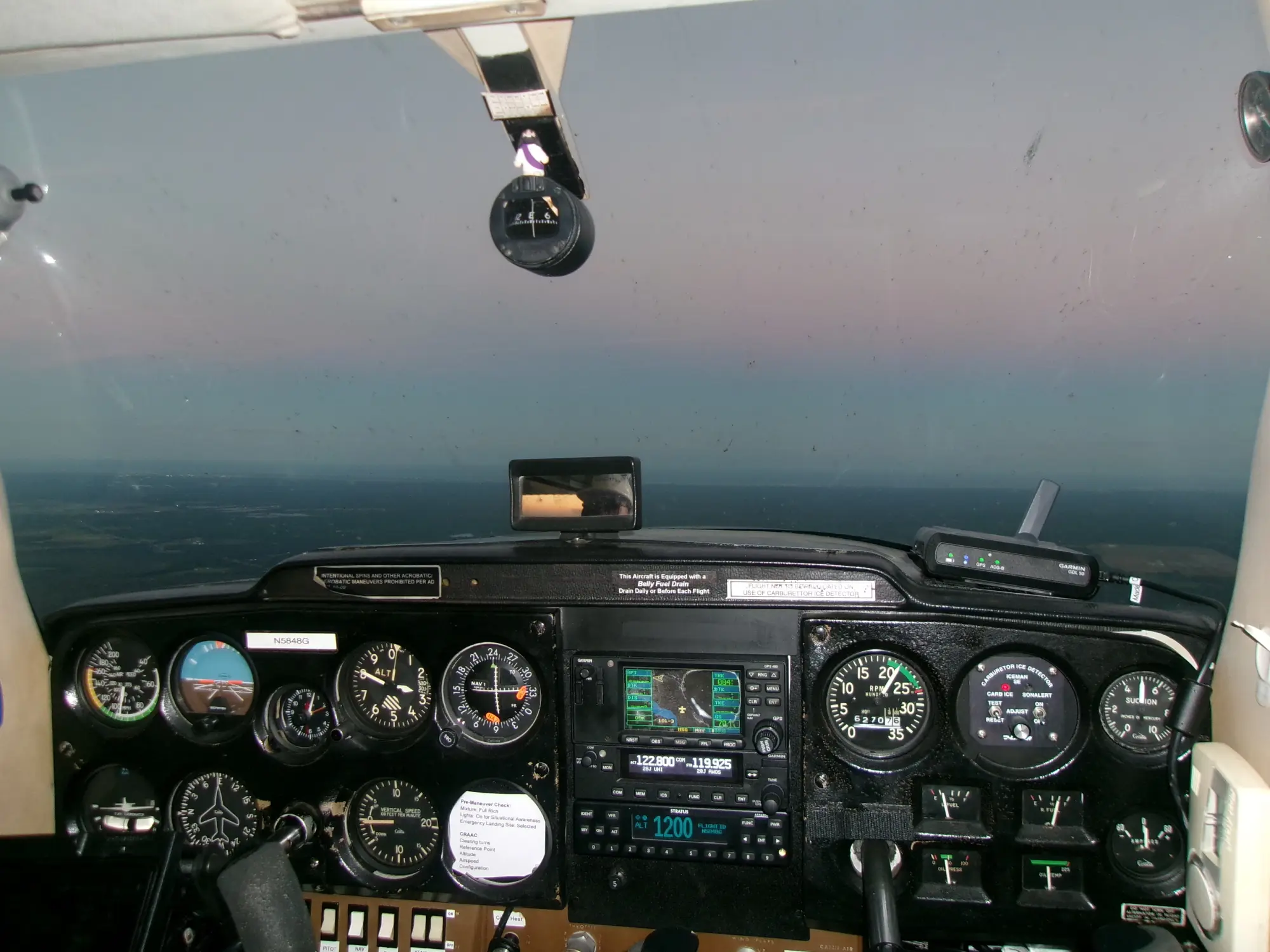
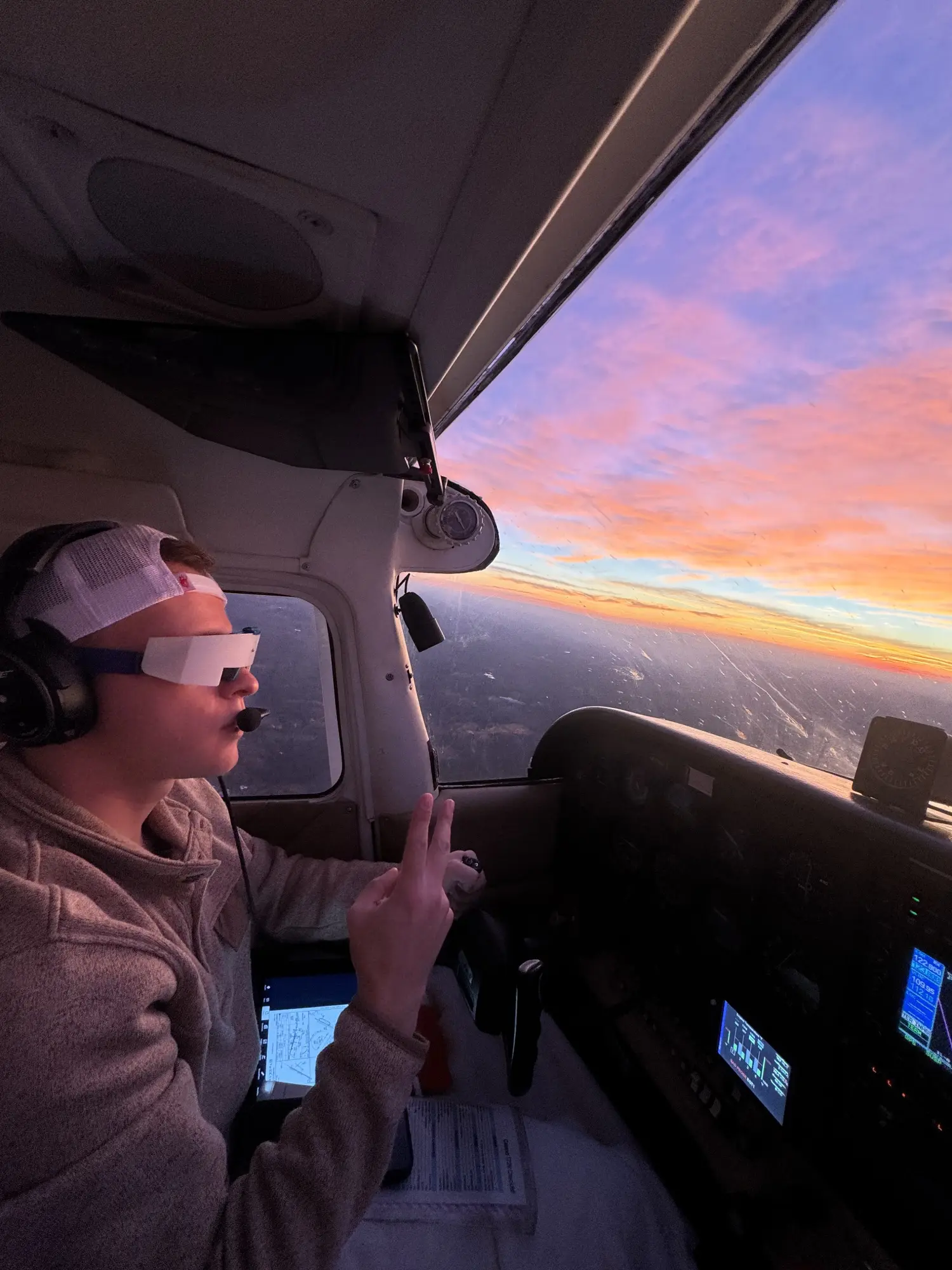
Time to cloud surf! Instrument training develops a pilot’s ability to operate safely and precisely in instrument flight conditions. Students learn to manage workload, interpret and trust flight instruments, and fly published procedures with accuracy and discipline. Beyond the technical skills, this stage expands a pilot’s ability to operate confidently and safely across a wider range of weather conditions.

Commercial Pilot

Commercial training refines flying skills to professional standards. The focus shifts to accuracy, consistency, and mastery of aircraft performance and maneuvers. Students develop a higher level of aeronautical decision-making and are trained to operate with precision while meeting tighter tolerances. With this license, you can now be compensated to fly.
Certified Flight Instructor (CFI)

CFI training transforms pilots into educators. Candidates learn how to teach effectively, evaluate student performance, and explain complex concepts clearly. This stage emphasizes professionalism, instructional technique, and the responsibility of shaping safe, competent pilots.

Certified Flight Instructor – Instrument (CFI-I)

CFI-I training deepens instructional proficiency in instrument flying. Instructors learn to teach advanced procedures, manage high workloads, and coach students through complex scenarios. Precision, standardization, and safety-focused teaching are critical at this level.

Tailwheel Endorsement

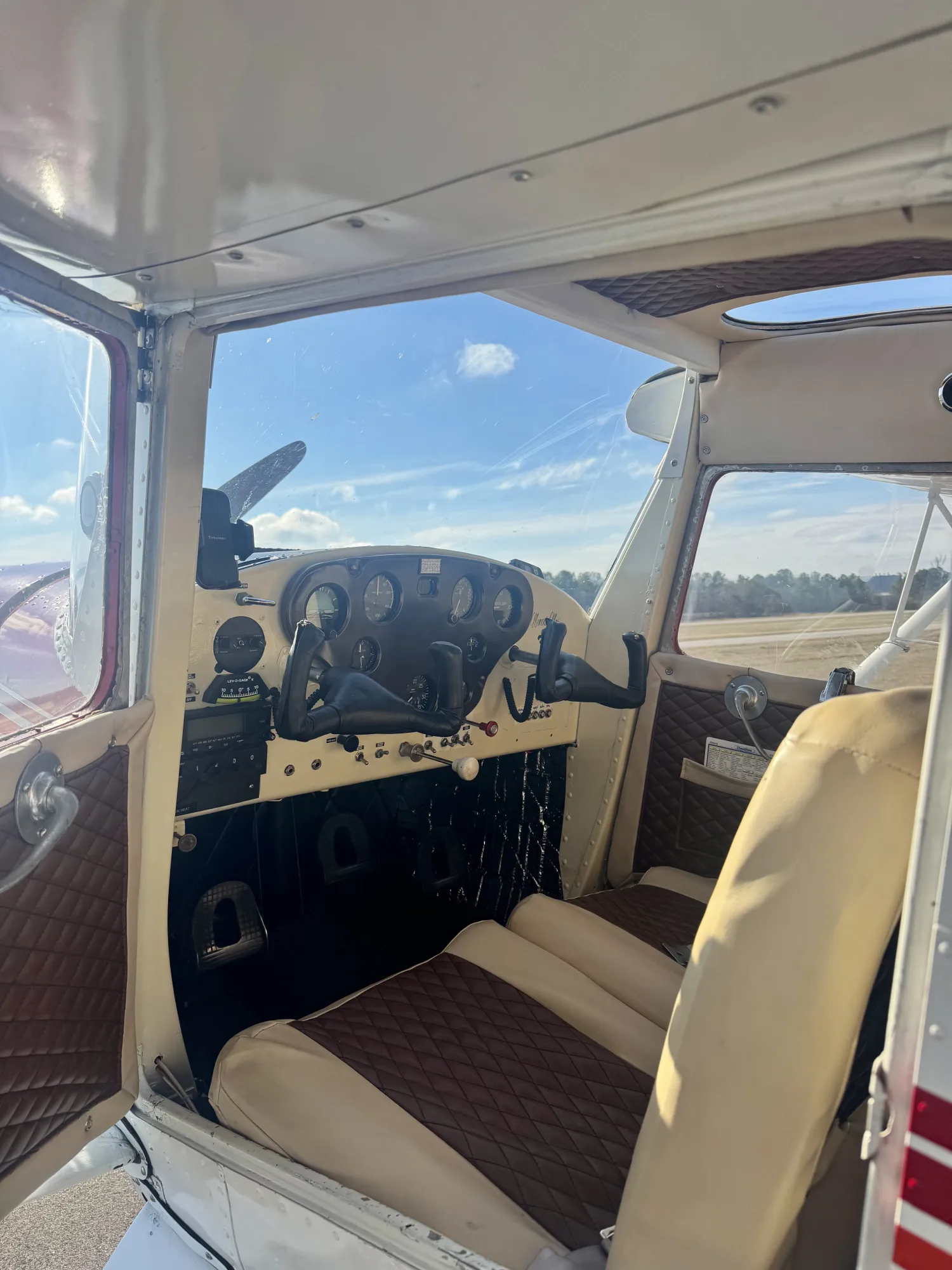
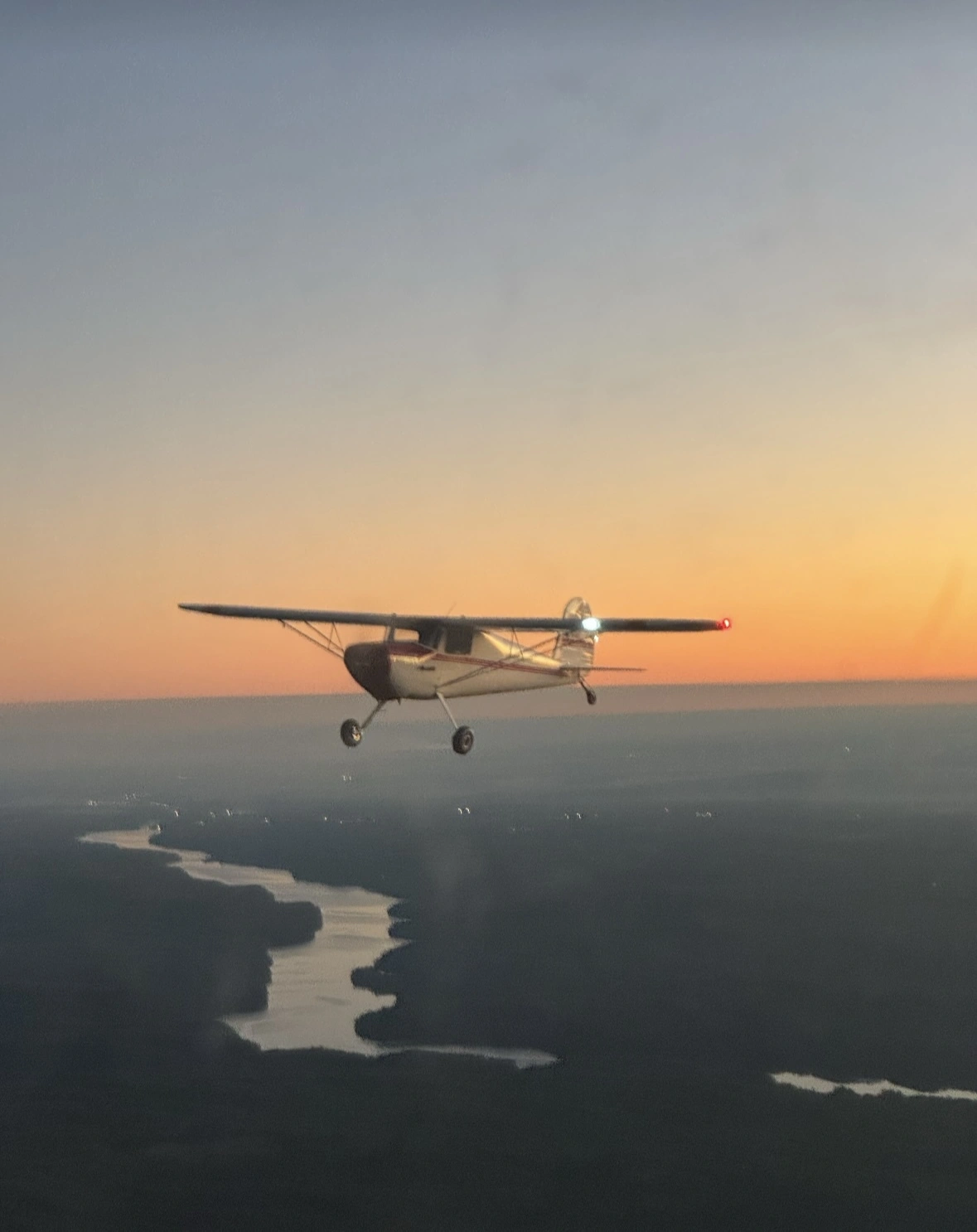
Now this is where the fun begins!. This endorsement builds confidence and sharpens fundamental flying skills applicable to all aircraft types. Students quickly learn that the airplane does not self-correct, the rudder pedals are not decorative, and directional control is a full-time job. This training builds precision, awareness, and respect for physics—resulting in better pilots, stronger landings, and a healthy appreciation for “staying ahead of the airplane.”

Connect With Us

Scroll to Top